

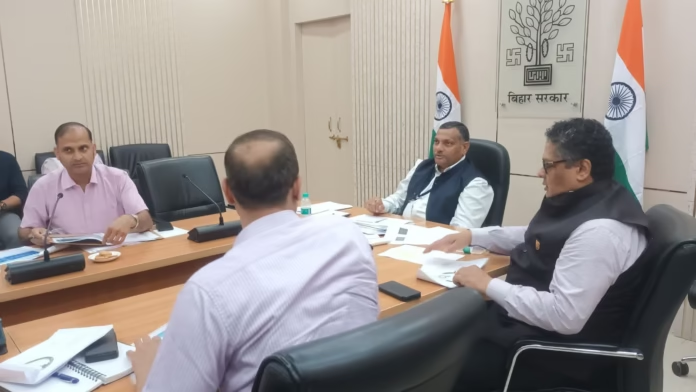
In a landmark move aimed at improving rural infrastructure and reducing the financial burden on economically weaker families, the Bihar state cabinet has approved a ₹4,026 crore scheme for the construction of Kanya Vivah Mandaps (marriage halls) across all 8,053 gram panchayats. The decision comes as part of a broader social welfare push by the state government in the run-up to the upcoming elections.
Marriage Support for Marginalized Families
Each Kanya Vivah Mandap is expected to cost approximately ₹50 lakh and will provide essential facilities for hosting wedding ceremonies. The primary objective of the scheme is to support poor families, especially those with daughters, by giving them access to affordable venues for marriage ceremonies.
These halls will offer basic infrastructure including seating, lighting, kitchen facilities, and sanitation. Additionally, some services may be provided at subsidised rates or even free for eligible families, helping to curb the high expenses associated with weddings in rural areas.
Empowering Women Through Community Roles
A key feature of the scheme is the inclusion of women’s self-help groups (SHGs) in its implementation and management. Local SHGs and panchayat-level women staff will be responsible for overseeing the operations of these marriage halls. This model not only ensures community involvement but also promotes women’s economic participation and leadership at the grassroots level.
Broader Focus on Women and Social Welfare
The marriage hall initiative is part of a larger ₹3.17 lakh crore budget that focuses on women empowerment, social inclusion, and infrastructure development. Other complementary measures include:
-
Increasing pensions for widows, the elderly, and differently-abled persons from ₹400 to ₹1,100
-
Establishing Mahila Haats, women-exclusive marketplaces
-
Launching pink buses and dedicated women’s hostels in urban centers
-
Offering interest subsidies to women entrepreneurs under the Jeevika SHG programme
These initiatives reflect a significant shift toward gender-sensitive governance and aim to address both economic and social barriers faced by women and vulnerable populations.
Strengthening Local Governance and Employment
The Kanya Vivah Mandap scheme also aims to strengthen local governance by placing the implementation responsibility with gram panchayats. This decentralization is expected to increase transparency, accountability, and local employment, as construction and operational work will involve local contractors, laborers, and vendors.
Political and Public Response
The initiative has been largely welcomed by social organizations and rural communities, though experts have urged the government to ensure robust monitoring and transparent execution to prevent delays or misuse of funds. Politically, the scheme adds to the ruling government’s welfare credentials ahead of the Bihar assembly elections, potentially consolidating support among rural and lower-income voters.
The Bihar government’s decision to allocate ₹4,026 crore for constructing marriage halls in every gram panchayat is a significant stride toward social equity, economic relief, and women-led development. If implemented effectively, the Kanya Vivah Mandap scheme could become a model for other states aiming to merge social responsibility with grassroots empowerment.