

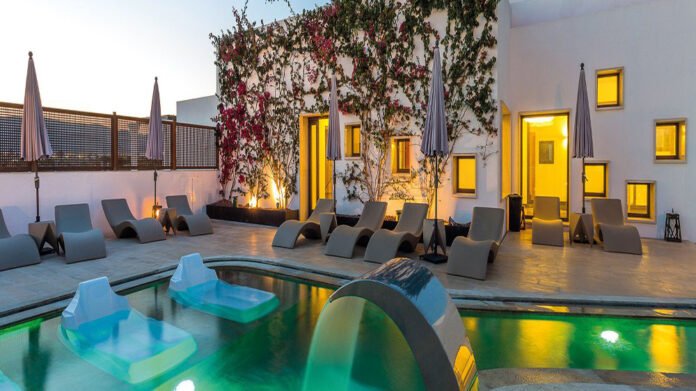
The Indian Hotels Company Ltd (IHCL), the hospitality arm of the Tata Group and parent of the iconic Taj Hotels, has unveiled a major investment plan worth ₹6,000 crore aimed at scaling its footprint across India and overseas. As part of its aggressive growth strategy, the company is also in advanced talks to acquire a domestic boutique hotel chain, signaling a strong push into the premium lifestyle and experiential hospitality segment.
A ₹6,000 Crore Blueprint for Growth
The ₹6,000 crore capital outlay will be utilized over the next 3 to 5 years, according to senior IHCL officials. The funds will be directed toward:
-
New hotel developments under its Taj, SeleQtions, Vivanta, and Ginger brands
-
Renovation and modernization of select heritage properties
-
Expansion into untapped Tier-II and Tier-III cities
-
Sustainability initiatives including green energy adoption and carbon neutrality targets
-
Technology and digital transformation to enhance guest experience and operational efficiency
Puneet Chhatwal, Managing Director & CEO of IHCL, stated,
“Our investment is aligned with the long-term vision of delivering value through strategic growth. We aim to expand with purpose — in line with evolving traveler preferences, newer destinations, and differentiated experiences.”
Boutique Hotel Chain Acquisition in Focus
In a move reflecting global hospitality trends, IHCL is reportedly in advanced negotiations to acquire a mid-sized boutique hotel chain operating in India. The target is said to have a presence in heritage destinations, leisure markets, and wellness retreats, aligning with IHCL’s ambition to diversify its portfolio beyond traditional luxury.
While the name of the acquisition target remains undisclosed, sources suggest the boutique brand operates 12–18 high-end experiential properties, often located in culturally rich or ecologically significant regions.
This acquisition would bolster IHCL’s SeleQtions and amã Stays & Trails verticals, which cater to luxury and bespoke experiences.
Strategic Objectives: Growth with Differentiation
IHCL’s expansion strategy seeks to:
-
Tap into the surging demand for leisure and wellness tourism in post-pandemic India
-
Strengthen its leadership in the luxury and premium segments
-
Capture the millennial and Gen Z travel segment that favors boutique and experiential stays
-
Leverage India’s positioning as a global tourism hub with improved infrastructure and rising foreign tourist arrivals
The company currently operates 280+ hotels across 100+ locations, and the new investments aim to cross 325 operational hotels by 2028, including a greater share of management contracts, which reduce capital expenditure.
Tapping into Tourism Revival and Rising Domestic Demand
India’s hospitality industry is experiencing a resurgence in both domestic and international tourism. With G20 momentum, heritage conservation efforts, and increased disposable incomes, the demand for differentiated hotel experiences — from palatial stays to eco-resorts — has grown.
IHCL has already announced several new projects in Ayodhya, Lakshadweep, Udaipur, and North East India, regions that are gaining prominence in India’s evolving tourism narrative.
Sustainability and Digital Innovation as Core Pillars
A significant portion of the ₹6,000 crore investment will also go into green building certifications, EV charging infrastructure, solar installations, and AI-powered digital guest services. IHCL remains committed to its Paathya ESG framework, with goals to achieve 100% renewable energy usage at key hotels and zero waste-to-landfill in coming years.
Market Outlook and Competitive Position
With this large-scale investment and potential acquisition, IHCL is positioning itself not just as India’s largest hotel chain, but also its most innovative, sustainable, and diversified hospitality player.
The Indian hotel market is becoming increasingly competitive with players like Oberoi, Leela, Marriott, Hyatt, and ITC Hotels also expanding aggressively. However, IHCL’s strong brand equity, Tata Group backing, and diversified offerings give it a robust competitive edge.