

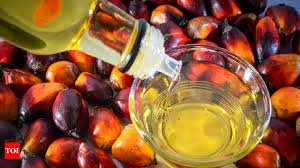
In a renewed diplomatic appeal, Indonesia has urged India to adopt a “predictable and stable policy” on palm oil imports, citing concerns over sudden tariff changes and regulatory shifts that affect exporters and global market dynamics.
As the world’s largest producer and exporter of palm oil, Indonesia is heavily reliant on major buyers like India, which is also the world’s largest importer of edible oils. Fluctuating Indian import duties and trade restrictions in recent years have impacted the flow and pricing of palm oil, raising concerns for Indonesian growers and traders.
A Call for Stability
Speaking at a bilateral trade forum in Jakarta, a senior Indonesian trade official stated:
“We respect India’s sovereign right to set its trade policies. However, our stakeholders need predictability and transparency to plan shipments, manage inventories, and ensure price stability.”
Indonesia’s request is part of a broader effort to stabilize palm oil trade flows amid global uncertainties, including climate-linked disruptions, shifting food security priorities, and geopolitical tensions.
India’s Policy Shifts
India has adjusted palm oil import duties several times over the past five years to balance domestic prices, protect farmers, and manage inflation. In 2022, duties were slashed to control food prices; later, they were raised again to support domestic oilseed growers. These shifts, though policy-driven, have sometimes led to market unpredictability for foreign exporters.
The Centre has also imposed quality restrictions and licensing measures, citing health, environmental, and adulteration concerns — measures that Indonesian officials say need clearer timelines and guidelines.
Growing Trade But Under Pressure
Indonesia exported over 5.2 million tonnes of palm oil to India in 2024–25, making India its second-largest market after China. While trade volumes remain strong, officials say logistical costs and pricing instability have increased due to fluctuating Indian norms.
India, on the other hand, has been diversifying its edible oil import basket, increasingly sourcing from Malaysia, Argentina (for soybean oil), and Ukraine (for sunflower oil), while also promoting domestic cultivation of oilseeds under the National Mission on Edible Oils.
Environmental and Sustainability Dimensions
Palm oil imports have also been under scrutiny due to concerns over deforestation and sustainability. India has pushed for stronger traceability and certification mechanisms, while Indonesian authorities maintain they are committed to the Roundtable on Sustainable Palm Oil (RSPO) and similar frameworks.
Indonesian exporters say they are open to bilateral sustainability compliance mechanisms, provided the process remains fair and economically viable.
Way Forward
To address friction, both countries are exploring a Joint Working Group under the Comprehensive Economic Partnership Agreement (CEPA) framework. The group would address trade concerns, harmonise standards, and ensure uninterrupted supply chains, especially during price-sensitive periods like festivals or lean domestic production phases.
Indonesia’s push for a predictable palm oil import policy from India highlights the complex balance between domestic interests and global trade commitments. As India strives for self-reliance in edible oils and tighter regulatory oversight, exporters like Indonesia seek long-term clarity and open dialogue to avoid disruption in a sector critical to both economies. The upcoming trade dialogues are expected to bring greater alignment and reduce volatility in the edible oil trade corridor.