

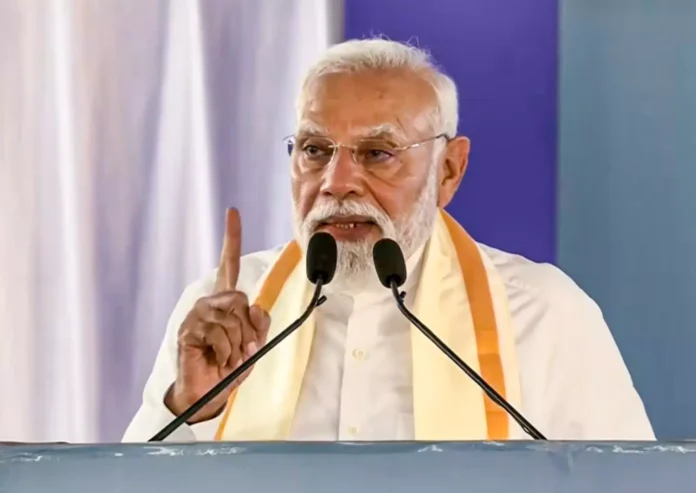
Prime Minister Narendra Modi has urged citizens and industries to help conserve foreign exchange reserves amid growing global war-related uncertainties by reducing fuel consumption and limiting non-essential gold purchases. The Prime Minister also emphasized the benefits of work-from-home arrangements to cut fuel usage and improve economic efficiency during the ongoing geopolitical crisis.
Speaking during a high-level review meeting on economic preparedness, Modi highlighted the importance of reducing India’s import dependency at a time when global crude oil prices and supply chain disruptions continue to impact economies worldwide. He stressed that every citizen can contribute to strengthening the nation’s economic resilience through responsible consumption habits.
According to officials familiar with the discussions, the Prime Minister advised ministries and state governments to encourage hybrid and remote working models wherever feasible. The move is expected to reduce daily commuting, lower fuel demand, and help save significant amounts of foreign exchange spent on crude oil imports.
India remains one of the world’s largest importers of crude oil and gold. Rising geopolitical tensions and war-related disruptions have increased pressure on global commodity prices, leading policymakers to focus on controlling the country’s import bill. Experts believe that even a modest reduction in fuel use and gold imports could help stabilize the current account deficit and protect the rupee from excessive volatility.
The Prime Minister also called upon citizens to prioritize productive investments over excessive gold buying. India traditionally witnesses strong demand for gold during festivals and wedding seasons, contributing heavily to import expenditure. Policymakers believe reducing discretionary gold imports can ease pressure on foreign exchange reserves during uncertain global conditions.
Government departments have reportedly been asked to examine additional energy-saving measures, including greater use of public transport, energy-efficient systems, and digital meetings to reduce travel-related expenses. Industry bodies are also expected to be consulted on strategies for lowering fuel consumption without affecting productivity.
Economists say the emphasis on work-from-home policies could provide dual benefits by reducing urban congestion and lowering oil demand. Several companies had successfully adopted remote working during the pandemic, and policymakers now see it as a practical tool for managing economic stress during periods of international instability.
The Centre is also closely monitoring international crude oil markets, shipping routes, and currency movements as part of its broader strategy to safeguard India’s economic interests during the evolving global crisis.