

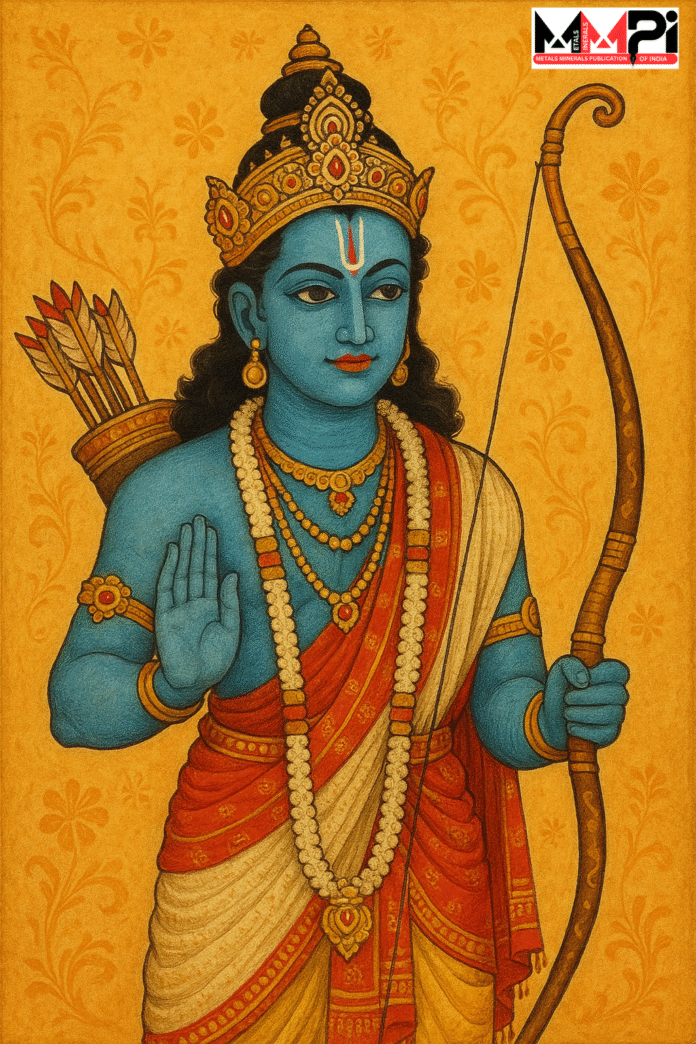
Lord Ram and Hinduism are deeply embedded in Bengali culture, with historical and cultural evidence debunking claims that Ram is alien to Bengal.
The 15th-century Krittivasi Ramayana by Krittibas Ojha is a cornerstone of Bengali literature, predating Tulsidas’s Ramcharitmanas. It reflects Bengal’s reverence for Ram, harmonizing his worship with Shakti traditions like Durga Puja.
Gouriya Ramayan, a Ramayana tradition from the ancient Gour era of Bengal, mentioned even in Chanakya’s Arthashastra.
Bishnupuri Ramayan by Sankar Kobichandro, popular in the Rarh region of Bengal.
The Patal Khanda of Padma Purana, frequently recited in Bengal, which deals with the Ramayana.
During British rule, Michael Madhusudan Dutta’s Meghnad Badh Kavya (the slaying of Ravana’s son Meghnad) was a celebrated literary work inspired by Ramayana.
The centuries-old Ramrajatala temple in Howrah stands as a testament to this devotion, hosting annual worship for nearly 300 years.
Additionally, Bengal’s folk arts, such as patachitra and jatras, often depict Ramayan scenes. Even the terracotta temples of Bishnupur feature Ram among Vishnu’s avatars.
Figures like Chaitanya Mahaprabhu and Ramakrishna Paramahansa further highlight Bengal’s spiritual connection to Shri Ram.
Despite political narratives attempting to sideline this heritage, the evidence underscores that Lord Ram has always been integral to Bengal’s cultural and religious fabric.
Violence against Hindus in Bangladesh has further amplified the festival’s political undertones, with BJP leaders using it to highlight concerns about religious persecution and accuse the TMC of neglecting Hindu interests.
Hardcore Hindutva groups have organized large-scale rallies, portraying them as symbolic protests against alleged attacks on Hindus and the ruling party in the state of West Bengal has always been busy with their appeasement politics