

Paromita Das
GG News Bureau
New Delhi, 28th Dec. The brutal and tragic events of the 1978 anti-Hindu riots in Sambhal, Uttar Pradesh, have long been shrouded in silence. However, recent revelations from Vineet Goyal, the son of one of the riot’s victims, have brought this dark chapter of Bharat’s history back into focus. These riots, which claimed the lives of over 180 individuals, left a permanent scar on the town of Sambhal and serve as a grim reminder of the devastating consequences of communal violence.
The Tragedy of Banwari Lal Goyal
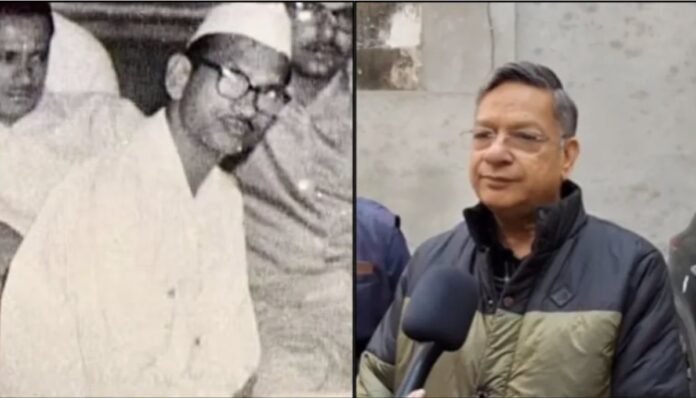
Among the countless lives lost, the horrific murder of Banwari Lal Goyal, a respected businessman in Sambhal, stands out as a symbol of the atrocities committed during the riots. Goyal was brutally attacked by a mob, his limbs severed, and his body burned in an inferno. His son, Vineet Goyal, recently broke his silence, narrating the harrowing details of the night his father and others were mercilessly killed.
According to Vineet, the rioters stormed their family premises, broke through the gate using a tractor, and unleashed terror on those hiding inside. Goyal and others sought refuge in a second-floor closet, but the rioters eventually discovered them. Witnesses, including the family’s cook, Hardwari Lal, described the gruesome sequence of events—how Goyal’s limbs were severed while the mob taunted him before setting him ablaze.
What followed was a nightmare for the Goyal family. In the chaos and aftermath of the riots, Vineet was unable to locate his father’s remains. A small fragment of his father’s glasses was the only evidence of his death. A month later, in the absence of his ashes, Vineet conducted a symbolic cremation, wrapping flour on flowers and leaves to perform the final rites.
Unfulfilled Promises of Peace
Despite assurances made during Peace Committee meetings in the aftermath of the riots, the situation in Sambhal remained volatile. Positive rhetoric and commitments to communal harmony did little to address the underlying tensions or deliver justice to the victims.
The Goyal family’s struggles did not end with the riots. They faced continuous threats and intimidation. Witnesses to the riots either disappeared or were silenced, making it impossible to hold the perpetrators accountable. The case was eventually closed in 2010 due to a lack of witnesses.
Systemic Failures in Justice
The horrors experienced by the Goyal family and other victims reflect a broader failure of the justice system to address communal violence. Death threats were issued to anyone attempting to file an FIR against the rioters. Among the accused was Wasim, who later murdered Vineet Goyal’s business partner, Pradeep Agarwal, further instilling fear in witnesses and victims.
Adding to the family’s anguish was the alleged pressure exerted by influential figures, including former Samajwadi Party MP Dr. Shafiqur Rahman Barq, to ensure that no action was taken against the rioters. This systemic failure to prosecute those responsible for the violence left the victims and their families feeling abandoned and persecuted.
The Aftermath: Exile and Return
Unable to endure the constant threats and lack of justice, the Goyal family left Sambhal in 1993 and relocated to Delhi. For decades, the pain and trauma of the riots lingered, compounded by the absence of closure.
Now, nearly five decades later, Vineet Goyal has returned to Sambhal in a bid to seek justice for his father and others who lost their lives in the riots. He has met with the District Magistrate and Superintendent of Police, and he is striving to secure an audience with Chief Minister Yogi Adityanath. For Vineet, justice for his father would be the ultimate tribute to his memory.
A Grim Legacy of Communal Violence
The 1978 riots in Sambhal are a stark reminder of the devastating impact of communal hatred. The violence not only claimed lives but also uprooted families, destroyed livelihoods, and eroded trust between communities. Despite repeated calls for reconciliation and justice, systemic failures have allowed such tragedies to fade into obscurity, leaving survivors and victims’ families with unresolved pain.
The events of 1978 also highlight the role of political and administrative indifference in perpetuating injustice. The allegations against influential political figures who shielded the rioters underscore the urgent need for accountability and reform in handling communal violence cases.
The Need for Justice and Reconciliation
The resurfacing of the Sambhal riots narrative raises important questions about justice, accountability, and healing. Justice delayed is justice denied, and the closure of the case in 2010 due to the lack of witnesses is a glaring example of how systemic obstacles can thwart efforts to address communal violence.
The Goyal family’s ordeal is not just their story—it represents the plight of countless families who have faced similar tragedies. A robust legal framework, coupled with political will and societal commitment to harmony, is essential to prevent such atrocities from recurring.
Vineet Goyal’s return to Sambhal is a courageous act that underscores the enduring hope for justice, even in the face of insurmountable odds. His efforts to bring attention to his father’s murder and the larger tragedy of the Sambhal riots remind us that acknowledging past injustices is crucial for building a more inclusive and harmonious future.
Conclusion: A Quest for Closure
As Vineet Goyal fights for justice nearly half a century after the 1978 Sambhal riots, his story serves as a poignant reminder of the human cost of communal violence. The events of that fateful year are a scar on the nation’s conscience, a reminder of the consequences of unchecked hatred and the failure of justice.
The quest for accountability and reconciliation must not waver. As a society, we owe it to the victims and their families to ensure that such tragedies are not forgotten. Justice for Banwari Lal Goyal and others who perished in the riots is not just about addressing the past—it is about building a future where no family has to endure such pain and loss again.
The post The Forgotten Horror: Revisiting the 1978 Sambhal Anti-Hindu Riots and the Quest for Justice appeared first on Global Governance News- Asia's First Bilingual News portal for Global News and Updates.