

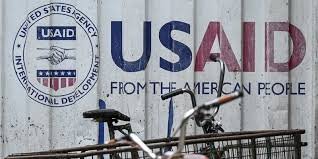
The U.S. Agency for International Development (USAID), America’s flagship foreign aid body, has officially ceased operations and has been absorbed into the U.S. State Department. This marks a historic shift in U.S. foreign policy and concludes a 64-year-old institution known for delivering humanitarian assistance across the globe.
This development follows the enforcement of Executive Order 14169, issued in January 2025, which directed the review and freeze of development assistance. Since then, approximately 83 percent of USAID programs were terminated, and nearly 94 percent of its global staff laid off. Major aid initiatives in health, nutrition, disaster relief, and development have been paused or scrapped.
Why It Happened
The shutdown was part of the broader “America First” foreign policy realignment led by the Trump administration. Secretary of State Marco Rubio described the move as transitioning from a “charity-based” system to one focused on strategic partnerships through trade and investment. The government argued that USAID had become bloated, inefficient, and misaligned with U.S. national interests.
The Department of Government Efficiency (DOGE), an administrative body led by tech executive Elon Musk, played a key advisory role in dismantling what it labeled a “redundant bureaucracy.”
Global and Humanitarian Consequences
The closure of USAID is expected to have profound global consequences:
-
A medical research analysis estimated that up to 14 million additional deaths could occur globally by 2030 due to disruptions in health programs once supported by USAID.
-
An estimated 4.5 million child deaths under age five are projected from discontinued nutrition and vaccination efforts.
-
Food relief and emergency medical support to regions like Sub-Saharan Africa, Yemen, and Haiti have been abruptly cut, leading to increased vulnerability.
Former U.S. Presidents George W. Bush and Barack Obama criticized the decision as a massive setback to America’s global moral leadership. Humanitarian groups and international agencies have voiced serious concern about the abrupt end of aid during ongoing crises in multiple regions.
Immediate Changes and Takeover
Under the reform, all remaining USAID operations will now be managed by a new “America First Foreign Assistance Bureau” under the State Department. This includes:
-
Foreign aid being tied more explicitly to geopolitical leverage.
-
Reduced emphasis on humanitarian needs or multilateral development goals.
-
Termination of legacy programs such as PEPFAR (HIV/AIDS initiative), Feed the Future, and the Democracy and Governance fund.
Efforts to provide oversight through Congress have met legal resistance, but a federal judge has ruled that certain aspects of the freeze exceeded constitutional authority. However, this has not yet led to the reinstatement of discontinued programs.
Strategic and Diplomatic Implications
-
The vacuum left by USAID’s withdrawal from global development is likely to be filled by China and other rising powers, particularly in Africa, Southeast Asia, and Latin America.
-
U.S. soft power and public diplomacy could suffer long-term setbacks as partner countries recalibrate alliances and funding sources.
-
Health security networks built with American support — including disease surveillance, maternal care, and pandemic preparedness — are at risk of collapse in several developing nations.
The closure of USAID signifies a radical transformation in how the United States engages with the world. While the administration claims this will result in leaner, more strategic foreign engagement, critics warn that the consequences — humanitarian and geopolitical — may be felt for decades. As the world navigates the fallout, the question remains whether other nations will step in to fill the leadership void once occupied by the U.S. in global aid and development.